Blog's Page
 Blog's Page
The Triton Trojan Virus Is One Of The Most Sophisticated And Dangerous Cyber Threats Ever Discovered. Unlike Traditional Malware That Primarily Targets Personal Computers Or Business Networks, Triton Was Specifically Designed To Attack Industrial Control Systems (ICS) And Safety Instrumented Systems (SIS) Used In Critical Infrastructure Facilities. Its Primary Objective Is Not Only To Disrupt Operations But Also To Compromise Safety Mechanisms That Protect Industrial Environments From Accidents And Equipment Failures.
First Identified In 2017, Triton Attracted Worldwide Attention Due To Its Ability To Interfere With Safety Systems In Industrial Plants. Cybersecurity Experts Consider It A Significant Milestone In Cyber Warfare Because It Demonstrated How Malware Could Potentially Cause Physical Damage To Industrial Facilities And Put Human Lives At Risk.
Triton, Also Known As Trisis Or HatMan, Is A Highly Advanced Trojan Malware Designed To Target Industrial Environments. Unlike Conventional Trojans That Focus On Stealing Data Or Financial Information,
Triton Specifically Attacks Safety Controllers Used In Critical Industries Such As:
Oil And Gas Facilities
Chemical Manufacturing Plants
Power Generation Stations
Industrial Processing Facilities
Energy Infrastructure
The Malware Targets Schneider Electric's Triconex Safety Systems, Which Are Designed To Prevent Dangerous Operational Failures. By Compromising These Systems, Attackers Can Disable Critical Safety Functions And Create Conditions That May Lead To Equipment Damage Or Hazardous Incidents.
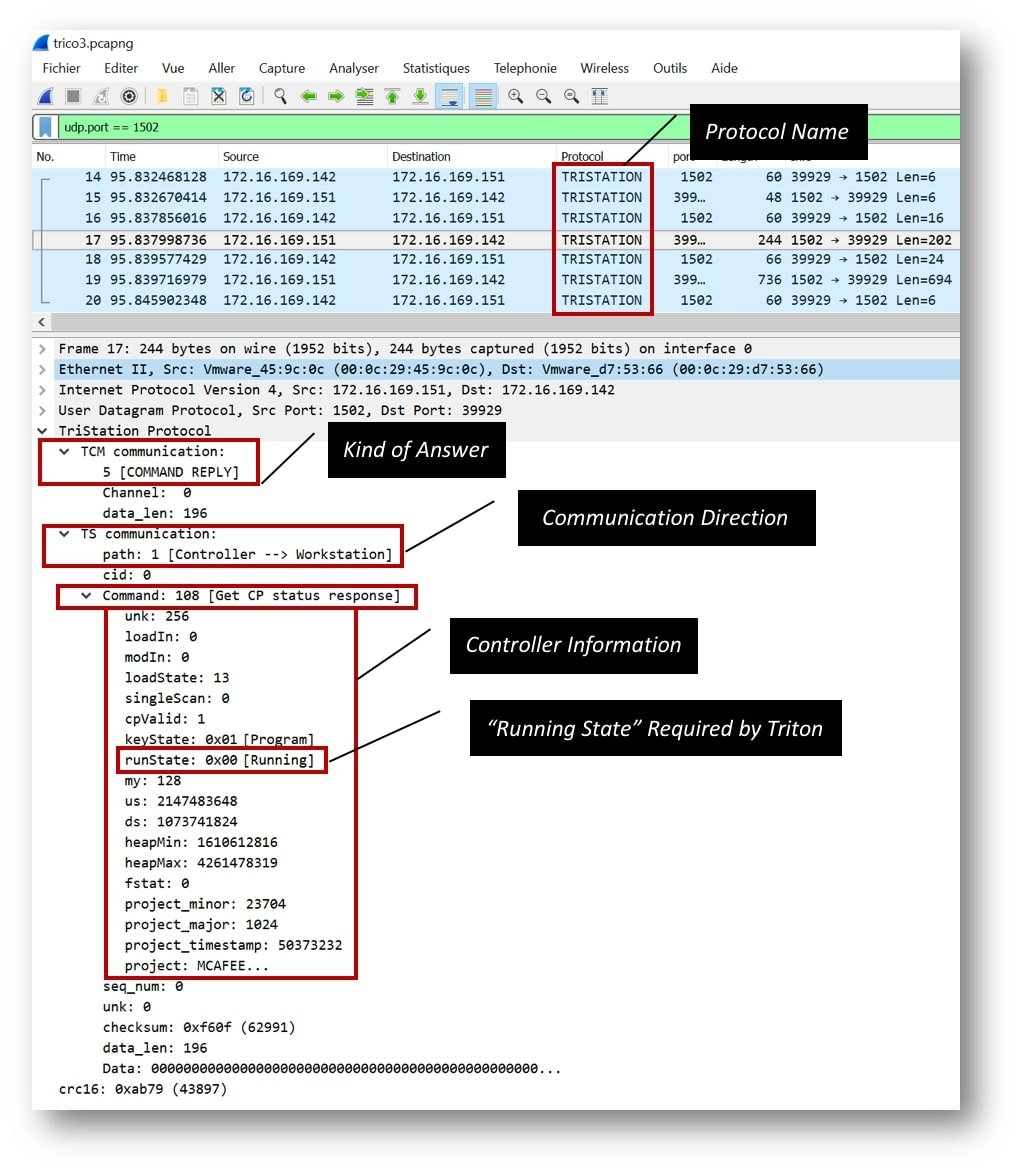
Indicators Of Compromise:
Triton Operates Differently From Traditional Malware. Instead Of Infecting Consumer Devices, It Infiltrates Industrial Networks And Communicates With Safety Controllers.
The Attack Process Generally Includes The Following Stages:
Initial Network Compromise
Attackers Gain Access To The Target Organization's Network Through Methods Such As Phishing Attacks, Stolen Credentials, Or Exploiting Vulnerable Systems.
Lateral Movement
Once Inside The Network, The Attackers Move Through Connected Systems To Identify Industrial Control Environments And Safety Systems.
Safety System Targeting
The Malware Specifically Searches For Triconex Safety Controllers And Attempts To Modify Their Programming.
Remote Manipulation
Attackers Can Alter Safety Settings, Disable Protective Mechanisms, And Maintain Persistence Within The Environment.
Potential Physical Impact
If Successful, The Attack Could Prevent Safety Systems From Responding Properly During Emergencies, Increasing The Risk Of Operational Failures And Physical Damage.
Triton Is Widely Regarded As One Of The Most Dangerous Cyber Threats Because It Targets Systems Designed To Prevent Industrial Accidents.
Threat To Human Safety
Most Malware Aims To Steal Data Or Generate Financial Gain. Triton Goes Beyond Digital Damage By Potentially Affecting Physical Safety Mechanisms That Protect Workers And Facilities.
Industrial Disruption
Compromised Safety Systems Can Force Organizations To Halt Operations, Resulting In Costly Downtime And Production Losses.
Physical Equipment Damage
Disabling Safety Controls May Lead To Overheating, Pressure Build-up, Mechanical Failures, Or Other Dangerous Operational Conditions.
National Security Risks
Critical Infrastructure Sectors Such As Energy And Manufacturing Are Essential To Economic Stability. Attacks On These Systems Can Have Far-reaching Consequences.
Although Triton Targets Industrial Environments, It Often Enters Networks Through Familiar Attack Techniques.
Phishing Emails
Employees May Receive Fraudulent Emails Containing Malicious Attachments Or Links That Provide Attackers With Initial Access.
Stolen Credentials
Weak Passwords And Compromised Login Credentials Can Allow Unauthorized Entry Into Industrial Networks.
Unpatched Vulnerabilities
Outdated Operating Systems, Software Applications, And Industrial Devices Can Contain Exploitable Security Weaknesses.
Remote Access Exploitation
Poorly Secured Remote Access Services May Provide Attackers With A Pathway Into Sensitive Systems.
Detecting Triton Can Be Challenging Because It Is Designed To Operate Within Specialized Industrial Environments.
However, Some Warning Signs May Include:
Unexpected Changes To Safety Controller Configurations
Unusual Network Traffic Between Industrial Devices
Unauthorized Access Attempts
Unexpected Shutdowns Of Industrial Processes
Security Alerts Related To Safety Systems
Modified Controller Logic Without Authorization
Organizations Operating Industrial Environments Should Continuously Monitor Their Networks For Suspicious Activity.
If A Triton Infection Is Suspected, Immediate Action Is Critical.
Isolate Affected Systems
Disconnect Compromised Devices From The Network To Prevent Further Communication With Attackers.
Conduct A Security Assessment
Perform A Comprehensive Forensic Investigation To Determine The Extent Of The Compromise.
Restore Safe Configurations
Verify And Restore Safety Controller Settings From Trusted Backups.
Apply Security Updates
Patch Vulnerable Systems And Update All Software Components.
Reset Credentials
Change Passwords And Implement Stronger Authentication Mechanisms.
Engage Cybersecurity Experts
Industrial Cybersecurity Specialists Can Help Organizations Safely Remove The Threat And Restore Normal Operations.
Protecting Industrial Environments From Triton Requires A Layered Cybersecurity Approach.
Network Segmentation
Separate Industrial Control Systems From Corporate Networks To Limit Attacker Movement.
Multi-Factor Authentication
Implement MFA For Remote Access And Administrative Accounts.
Regular Security Audits
Conduct Periodic Assessments To Identify Vulnerabilities Before Attackers Can Exploit Them.
Employee Awareness Training
Train Staff To Recognize Phishing Attempts And Suspicious Activities.
Continuous Monitoring
Deploy Advanced Threat Detection Tools To Monitor Industrial Environments For Unusual Behavior.
Backup Critical Configurations
Maintain Secure Backups Of Safety Controller Configurations And Operational Data.
Patch Management
Keep Operating Systems, Industrial Software, And Network Devices Updated With The Latest Security Patches.
The Discovery Of Triton Highlighted The Growing Threat Landscape Facing Industrial Organizations. As Industries Become Increasingly Connected Through Digital Transformation And Industrial Internet Of Things (IIoT) Technologies, Cybercriminals And Nation-state Actors Continue To Develop More Advanced Attack Methods.
Organizations Must Prioritize Cybersecurity Alongside Physical Safety Measures. Investing In Modern Security Technologies, Employee Training, Incident Response Planning, And Continuous Monitoring Can Significantly Reduce The Risk Of Attacks Targeting Critical Infrastructure.
The Triton Trojan Virus Represents A New Generation Of Cyber Threats That Extend Beyond Data Theft And Financial Crime. By Targeting Industrial Safety Systems, Triton Demonstrates How Malware Can Impact Physical Operations And Potentially Endanger Human Lives. Its Sophisticated Design And Focus On Critical Infrastructure Make It One Of The Most Concerning Malware Threats Ever Discovered.
To Defend Against Triton And Similar Attacks, Organizations Must Adopt Comprehensive Cybersecurity Strategies That Include Network Segmentation, Security Monitoring, Employee Education, Regular Patching, And Strong Access Controls. Proactive Protection Remains The Most Effective Defense Against Advanced Industrial Cyber Threat.
Step 1: Boot Into Safe Mode
Restart Your PC And Press F8 (or Shift + F8 For Some Systems) Before Windows Loads.
Choose Safe Mode With Networking.
Safe Mode Prevents Most Malware From Loading.
Press Win + R, Type appwiz.cpl, And Press Enter.
Sort By Install Date And Uninstall Unknown Or Recently Added Programs.
Use A Trusted Anti-malware Tool:
Malwarebytes – https://www.malwarebytes.com
Screenshot Of Malwarebytes - Visit Links
Microsoft Defender – Built Into Windows 10/11
HitmanPro, ESET Online Scanner, Or Kaspersky Virus Removal Tool
ZoneAlarm Pro Antivirus + Firewall NextGen
VIPRE Antivirus - US And Others Countries, | India
Run A Full Scan And Delete/quarantine Detected Threats.
Win + R, Type temp → Delete All Files.Press Win + R, Type %temp% → Delete All Files.
Use Disk Cleanup: cleanmgr In The Run Dialog.
Go To: C:\Windows\System32\drivers\etc
Open hosts File With Notepad.
Replace With Default Content:
Press Ctrl + Shift + Esc → Open Task Manager
Go To Startup Tab
Disable Any Suspicious Entries.
Open Command Prompt As Administrator.
Run These Commands:
netsh Winsock Reset

netsh Int Ip Reset

ipconfig /flushdns
Unwanted Homepage Or Search Engine
Pop-ups Or Redirects
Unknown Extensions Installed
For Chrome:
Go To: chrome://extensions/
Remove Anything Unfamiliar
For Firefox:
Go To: about:addons → Extensions
Remove Suspicious Add-ons
For Edge:
Go To: edge://extensions/
Uninstall Unknown Add-ons
Chrome:
Go To chrome://settings/reset → "Restore Settings To Their Original Defaults"
Firefox:
Go To about:support → "Refresh Firefox"
Edge:
Go To edge://settings/resetProfileSettings → "Reset Settings"
All Browsers:
Use Ctrl + Shift + Del → Select All Time
Clear Cookies, Cached Files, And Site Data
Make Sure They Are Not Hijacked.
Chrome: chrome://settings/search
Firefox: about:preferences#search
Edge: edge://settings/search
Chrome: chrome://settings/cleanup
Use Malwarebytes Browser Guard For Real-time Browser Protection.
Always Download Software From Trusted Sources.
Keep Windows, Browsers, And Antivirus Updated.
Avoid Clicking Suspicious Links Or Ads.
Use ad Blockers And reputable Antivirus Software.
Backup Your Files Regularly.
To Remove Malware From Your Windows PC, Start By Booting Into Safe Mode, Uninstalling Suspicious Programs, And Scanning With Trusted Anti-malware Tools Like Malwarebytes. Clear Temporary Files, Reset Your Network Settings, And Check Startup Apps For Anything Unusual.
For web Browsers, Remove Unwanted Extensions, Reset Browser Settings, Clear Cache And Cookies, And Ensure Your Homepage And Search Engine Haven’t Been Hijacked. Use Cleanup Tools Like Chrome Cleanup Or Browser Guard For Added Protection.
?? Prevention Tips: Keep Software Updated, Avoid Suspicious Downloads, And Use Antivirus Protection Plus Browser Ad Blockers. Regular Backups Are Essential.
Why It Matters: Not All VPNs Offer Malware Protection.
What To Look For: Providers With built-in Malware/ad/tracker Blockers (e.g., NordVPN’s Threat Protection, ProtonVPN’s NetShield).
Purpose: Prevents Data Leaks If Your VPN Connection Drops.
Benefit: Ensures Your Real IP And Browsing Activity Aren’t Exposed To Malware-distributing Websites.
Why It Matters: DNS Leaks Can Expose Your Online Activity To Attackers.
Solution: Enable DNS Leak Protection In Your VPN Settings Or Use A Secure DNS Like Cloudflare (1.1.1.1).
Risk: Free VPNs Often Contain Malware, Sell User Data, Or Lack Security Features.
Better Option: Use Reputable Paid VPNs That Offer security Audits And Transparent Privacy Policies.
Some VPNs Block Known Phishing And Malicious Sites.
Example: Surfshark’s CleanWeb, CyberGhost’s Content Blocker.
Reason: Security Patches Fix Known Vulnerabilities.
Tip: Enable Auto-updates Or Check For Updates Weekly.
Scope: Malware Can Enter Through Phones, Tablets, Or IoT Devices.
Solution: Install VPN Apps On Every Internet-connected Device.
Fact: VPNs Do Not Remove Or Detect Malware On Your System.
Complement It With:
Antivirus Software
Firewall
Browser Extensions For Script Blocking
VPN Encrypts Traffic But Can’t Stop Malware From Executing If You Download Infected Files.
Split Tunneling Allows Certain Apps/sites To Bypass VPN.
Tip: Never Exclude Browsers, Email Clients, Or Download Managers From VPN Tunneling.
A VPN (Virtual Private Network) Enhances Your Online Privacy By Encrypting Your Internet Traffic And Masking Your IP Address. It Protects Your Data On Public Wi-Fi, Hides Browsing Activity From Hackers And ISPs, And Helps Bypass Geo-restrictions. VPNs Also Add A Layer Of Defense Against Malware By Blocking Malicious Websites And Trackers When Using Advanced Features. However, A VPN Does Not Remove Existing Malware Or Act As Antivirus Software. For Full Protection, Combine VPN Use With Antivirus Tools, Regular Software Updates, And Cautious Browsing Habits. Always Choose A Reputable VPN Provider With Strong Security And Privacy Policies.
Triton Trojan Virus, Remove Triton Trojan Virus, How To Remove Triton Trojan Virus, Delete Triton Trojan Virus, Uninstall Triton Trojan Virus, Get Rid