Blog's Page
 Blog's Page
Cybercrime Has Evolved Rapidly Over The Past Decade, With Malware Becoming More Specialized, Stealthy, And Profitable For Attackers. Among The Most Notorious Threats In Recent Years Is RedLine Info-stealer Malware, A Highly Effective Malicious Program Designed To Harvest Sensitive Data From Infected Systems. RedLine Has Become A Favorite Tool Among Cybercriminals Due To Its Affordability, Ease Of Use, And Devastating Impact On Individuals And Organizations Alike.
This Article Provides An In-depth Overview Of RedLine Malware, Explaining What It Is, How It Works, Why It Is So Dangerous, And How Users And Businesses Can Protect Themselves. Understanding RedLine Is Essential For Anyone Concerned About Cybersecurity, Digital Privacy, And Data Protection.
RedLine Is A credential-stealing Malware First Observed In The Cybercriminal Ecosystem Around 2020. It Belongs To A Class Of Threats Known As information Stealers, Which Are Designed To Silently Extract Valuable Data From Compromised Devices And Transmit It To Attackers.
Unlike Ransomware, Which Announces Its Presence, RedLine Operates Quietly In The Background. Its Primary Objective Is To Steal As Much Information As Possible Without Alerting The Victim. Once Data Is Collected, It Is Either Sold On Underground Markets Or Used Directly For Financial Fraud, Account Takeovers, And Identity Theft.
RedLine Is Commonly Distributed As malware-as-a-service (MaaS), Meaning Attackers Can Rent Or Purchase Access To It Without Having Advanced Technical Skills. This Business Model Has Significantly Contributed To Its Widespread Use.

RedLine’s Danger Lies In The breadth Of Data It Can Steal And The speed At Which Stolen Information Is Exploited. A Single Infected System Can Compromise Dozens Of Online Accounts, Financial Assets, And Even Corporate Networks.
Once Credentials Are Stolen, Attackers Can:
Access Bank Accounts And Drain Funds
Take Over Email And Social Media Accounts
Bypass Multi-factor Authentication Using Stolen Session Tokens
Launch Follow-up Attacks Such As Ransomware Or Business Email Compromise
Because RedLine Infections Often Go Unnoticed For Long Periods, The Damage Can Escalate Quickly Before Victims Realize Anything Is Wrong.
RedLine Follows A Streamlined Attack Chain Designed For Efficiency And Stealth. After Initial Execution, The Malware Establishes Persistence And Begins Scanning The Infected System For Valuable Information.
It Targets:
Web Browsers
Installed Applications
Stored Credentials And Cookies
Cryptocurrency Wallets
System Configuration Data
Once The Data Is Collected, It Is Packaged And Sent To A command-and-control (C2) Server Controlled By The Attacker. The Victim Typically Receives No Warning Or Visible Indication Of The Theft.
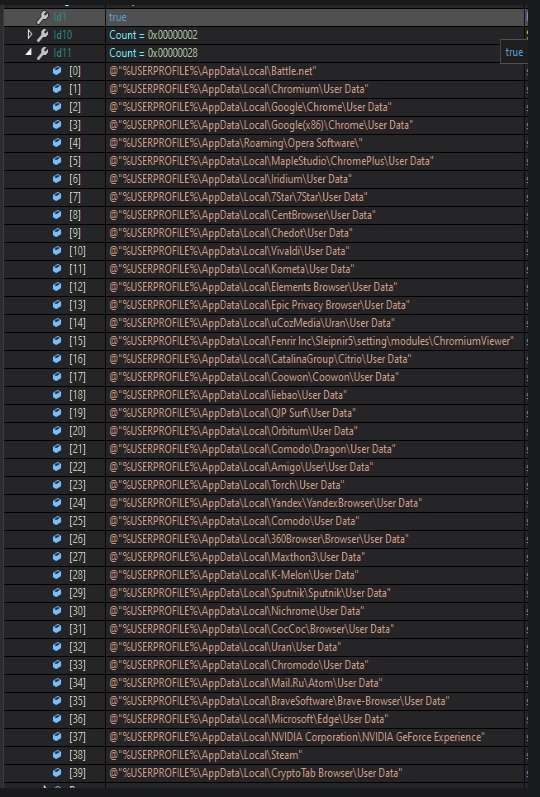
One Of The Reasons RedLine Is So Popular Among Cybercriminals Is Its Ability To Extract A Wide Range Of Sensitive Information.
RedLine Targets Popular Browsers Such As Chrome, Edge, Firefox, And Others. It Steals Saved Usernames, Passwords, Autofill Data, And Authentication Cookies. These Cookies Are Particularly Valuable Because They Can Allow Attackers To Bypass Login Security Without Knowing The Password.
Banking Logins, Payment Service Credentials, And Stored Credit Card Details Are Prime Targets. Stolen Financial Data Is Often Used Immediately Or Sold On Dark Web Marketplaces.
RedLine Scans For Installed Crypto Wallets And Wallet Files, Enabling Attackers To Steal Digital Assets. Cryptocurrency Theft Is Irreversible, Making This Especially Devastating For Victims.
Compromised Email Accounts Are Frequently Used To Reset Passwords For Other Services Or To Spread Malware Further Through Phishing Campaigns.
RedLine Also Collects IP Addresses, Hardware Details, Operating System Information, And Installed Software Lists. This Data Helps Attackers Profile Victims And Plan More Advanced Attacks.
RedLine Is Rarely Spread Through A Single Technique. Instead, Attackers Use Multiple Delivery Methods To Maximize Infection Rates.
Malicious Attachments Or Links Disguised As Invoices, Resumes, Or Security Alerts Are A Common Infection Vector. Once Opened, The Malware Is Silently Installed.
Fake Software Activators, Keygens, And Pirated Applications Are One Of The Most Common Sources Of RedLine Infections. Users Seeking Free Software Unknowingly Install Malware Instead.
Fake Download Buttons And Deceptive Ads On Untrusted Websites Can Deliver RedLine Through Drive-by Downloads.
Attackers May Disguise RedLine As Legitimate Software Updates, Tricking Users Into Executing The Malware Themselves.

RedLine’s Success Is Closely Tied To The malware-as-a-service Economy. Instead Of Building Their Own Malware, Criminals Can Purchase RedLine Access Through Underground Forums.
This Model Offers:
User-friendly Control Panels
Regular Updates And Technical Support
Customizable Payloads
Data Export Features
As A Result, RedLine Is Used By Both Experienced Cybercriminals And Beginners, Dramatically Increasing Its Global Reach.
Detecting RedLine Can Be Challenging, But There Are Warning Signs Users And Security Teams Should Watch For.
Unusual Account Behavior, Such As Logins From Unfamiliar Locations, Password Reset Notifications, Or Unauthorized Financial Transactions, Can Indicate Credential Theft. Slower System Performance, Unexpected Background Processes, Or Antivirus Alerts Related To Suspicious Executables May Also Signal An Infection.
For Organizations, Sudden Credential Leaks Or Multiple Compromised Accounts Across Departments Can Be A Strong Indicator Of An Info-stealer Outbreak.
While Individuals Are Frequent Victims, RedLine Poses A Serious Risk To Businesses. Stolen Employee Credentials Can Provide Attackers With Initial Access To Corporate Networks.
This Often Leads To:
Data Breaches
Intellectual Property Theft
Ransomware Deployment
Supply Chain Attacks
In Many High-profile Cases, RedLine Infections Were The First Step In A Much Larger Cyberattack, Proving That Info-stealers Are Often A Gateway To More Destructive Threats.
Stolen RedLine Data Is Commonly Packaged Into logs And Sold On Dark Web Marketplaces. These Logs Contain Everything An Attacker Needs To Impersonate A Victim Online.
Buyers Use This Data For:
Account Takeovers
Fraud And Identity Theft
Social Engineering Campaigns
Corporate Espionage
The Rapid Resale Of Stolen Data Means That Even A Short-lived Infection Can Have Long-term Consequences.
Preventing RedLine Infections Requires A Combination Of Technology, Awareness, And Good Security Practices.
Using Reputable Antivirus And Endpoint Detection Solutions Is Essential, As Modern Tools Can Detect And Block Info-stealers Before They Execute. Keeping Operating Systems And Applications Fully Updated Reduces Exposure To Exploited Vulnerabilities.
Users Should Avoid Downloading Pirated Software, Clicking Unknown Links, Or Opening Unexpected Email Attachments. Strong, Unique Passwords Combined With Multi-factor Authentication Significantly Limit The Damage Even If Credentials Are Stolen.
For Businesses, Security Awareness Training, Network Monitoring, And Strict Access Controls Play A Critical Role In Preventing And Detecting RedLine Attacks.
If A RedLine Infection Is Suspected, Immediate Action Is Critical. All Passwords Associated With The Affected Device Should Be Changed From A Clean System. Financial Institutions And Service Providers Should Be Notified To Monitor For Fraud.
In Corporate Environments, Infected Machines Should Be Isolated, And A Full Forensic Investigation Should Be Conducted To Assess The Extent Of The Breach. Early Response Can Prevent Escalation Into Larger Attacks.
Data Stolen Through RedLine Infections Can Lead To Regulatory Consequences, Especially For Organizations Handling Sensitive Or Personal Information. Compliance Frameworks Such As GDPR And Other Data Protection Laws Require Timely Disclosure And Remediation Of Breaches.
Failure To Adequately Secure Systems Or Respond Properly Can Result In Fines, Legal Action, And Reputational Damage.
RedLine Represents A Broader Trend In Cybercrime Toward Scalable, Service-based Malware. As Defenses Improve, Info-stealers Are Becoming More Evasive And Sophisticated.
Security Experts Expect Future Variants To Leverage Advanced Obfuscation, Fileless Techniques, And Deeper Integration With Underground Marketplaces. This Makes Ongoing Vigilance And Proactive Cybersecurity Strategies More Important Than Ever.
Indicator Of Compromise:
Hashes:
SHA 1 Hashes:
IP:
Domains:
RedLine Info-stealer Malware Is One Of The Most Prevalent And Dangerous Cyber Threats In Today’s Digital Landscape. Its Ability To Silently Steal Credentials, Financial Data, And System Information Has Made It A Cornerstone Of Modern Cybercrime.
Understanding How RedLine Works, How It Spreads, And How To Defend Against It Is Critical For Individuals And Organizations Alike. By Combining Strong Security Tools, Informed User Behavior, And Rapid Incident Response, The Risks Posed By RedLine And Similar Malware Can Be Significantly Reduced.
In A World Where Stolen Data Fuels Countless Cyberattacks, Awareness Is The First And Most Powerful Line Of Defense.
Step 1: Boot Into Safe Mode
Restart Your PC And Press F8 (or Shift + F8 For Some Systems) Before Windows Loads.
Choose Safe Mode With Networking.
Safe Mode Prevents Most Malware From Loading.
Press Win + R, Type appwiz.cpl, And Press Enter.
Sort By Install Date And Uninstall Unknown Or Recently Added Programs.
Use A Trusted Anti-malware Tool:
Malwarebytes – https://www.malwarebytes.com
Screenshot Of Malwarebytes - Visit Links
Microsoft Defender – Built Into Windows 10/11
HitmanPro, ESET Online Scanner, Or Kaspersky Virus Removal Tool
ZoneAlarm Pro Antivirus + Firewall NextGen
VIPRE Antivirus - US And Others Countries, | India
Run A Full Scan And Delete/quarantine Detected Threats.
Win + R, Type temp → Delete All Files.Press Win + R, Type %temp% → Delete All Files.
Use Disk Cleanup: cleanmgr In The Run Dialog.
Go To: C:\Windows\System32\drivers\etc
Open hosts File With Notepad.
Replace With Default Content:
Press Ctrl + Shift + Esc → Open Task Manager
Go To Startup Tab
Disable Any Suspicious Entries.
Open Command Prompt As Administrator.
Run These Commands:
netsh Winsock Reset

netsh Int Ip Reset

ipconfig /flushdns
Unwanted Homepage Or Search Engine
Pop-ups Or Redirects
Unknown Extensions Installed
For Chrome:
Go To: chrome://extensions/
Remove Anything Unfamiliar
For Firefox:
Go To: about:addons → Extensions
Remove Suspicious Add-ons
For Edge:
Go To: edge://extensions/
Uninstall Unknown Add-ons
Chrome:
Go To chrome://settings/reset → "Restore Settings To Their Original Defaults"
Firefox:
Go To about:support → "Refresh Firefox"
Edge:
Go To edge://settings/resetProfileSettings → "Reset Settings"
All Browsers:
Use Ctrl + Shift + Del → Select All Time
Clear Cookies, Cached Files, And Site Data
Make Sure They Are Not Hijacked.
Chrome: chrome://settings/search
Firefox: about:preferences#search
Edge: edge://settings/search
Chrome: chrome://settings/cleanup
Use Malwarebytes Browser Guard For Real-time Browser Protection.
Always Download Software From Trusted Sources.
Keep Windows, Browsers, And Antivirus Updated.
Avoid Clicking Suspicious Links Or Ads.
Use ad Blockers And reputable Antivirus Software.
Backup Your Files Regularly.
To Remove Malware From Your Windows PC, Start By Booting Into Safe Mode, Uninstalling Suspicious Programs, And Scanning With Trusted Anti-malware Tools Like Malwarebytes. Clear Temporary Files, Reset Your Network Settings, And Check Startup Apps For Anything Unusual.
For web Browsers, Remove Unwanted Extensions, Reset Browser Settings, Clear Cache And Cookies, And Ensure Your Homepage And Search Engine Haven’t Been Hijacked. Use Cleanup Tools Like Chrome Cleanup Or Browser Guard For Added Protection.
?? Prevention Tips: Keep Software Updated, Avoid Suspicious Downloads, And Use Antivirus Protection Plus Browser Ad Blockers. Regular Backups Are Essential.
Why It Matters: Not All VPNs Offer Malware Protection.
What To Look For: Providers With built-in Malware/ad/tracker Blockers (e.g., NordVPN’s Threat Protection, ProtonVPN’s NetShield).
Purpose: Prevents Data Leaks If Your VPN Connection Drops.
Benefit: Ensures Your Real IP And Browsing Activity Aren’t Exposed To Malware-distributing Websites.
Why It Matters: DNS Leaks Can Expose Your Online Activity To Attackers.
Solution: Enable DNS Leak Protection In Your VPN Settings Or Use A Secure DNS Like Cloudflare (1.1.1.1).
Risk: Free VPNs Often Contain Malware, Sell User Data, Or Lack Security Features.
Better Option: Use Reputable Paid VPNs That Offer security Audits And Transparent Privacy Policies.
Some VPNs Block Known Phishing And Malicious Sites.
Example: Surfshark’s CleanWeb, CyberGhost’s Content Blocker.
Reason: Security Patches Fix Known Vulnerabilities.
Tip: Enable Auto-updates Or Check For Updates Weekly.
Scope: Malware Can Enter Through Phones, Tablets, Or IoT Devices.
Solution: Install VPN Apps On Every Internet-connected Device.
Fact: VPNs Do Not Remove Or Detect Malware On Your System.
Complement It With:
Antivirus Software
Firewall
Browser Extensions For Script Blocking
VPN Encrypts Traffic But Can’t Stop Malware From Executing If You Download Infected Files.
Split Tunneling Allows Certain Apps/sites To Bypass VPN.
Tip: Never Exclude Browsers, Email Clients, Or Download Managers From VPN Tunneling.
A VPN (Virtual Private Network) Enhances Your Online Privacy By Encrypting Your Internet Traffic And Masking Your IP Address. It Protects Your Data On Public Wi-Fi, Hides Browsing Activity From Hackers And ISPs, And Helps Bypass Geo-restrictions. VPNs Also Add A Layer Of Defense Against Malware By Blocking Malicious Websites And Trackers When Using Advanced Features. However, A VPN Does Not Remove Existing Malware Or Act As Antivirus Software. For Full Protection, Combine VPN Use With Antivirus Tools, Regular Software Updates, And Cautious Browsing Habits. Always Choose A Reputable VPN Provider With Strong Security And Privacy Policies.
References: