Blog's Page
 Blog's Page
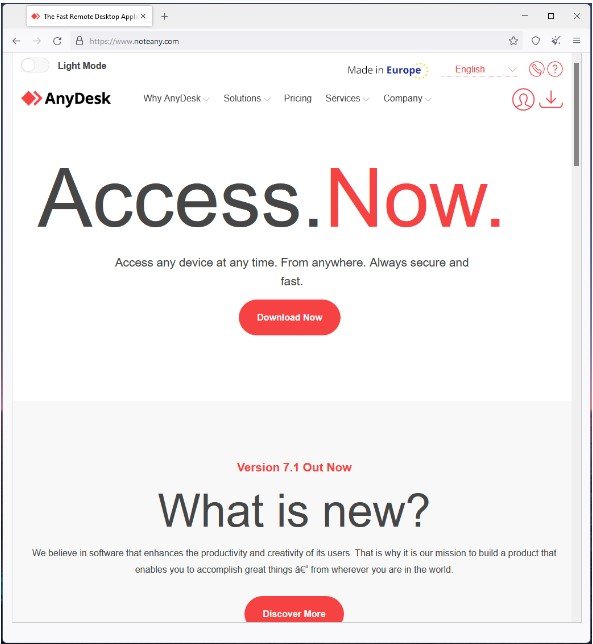
Vidar Malware Is A Sophisticated Information-stealing Malware (info-stealer) That Has Emerged As One Of The Most Persistent Cyber Threats Targeting Individuals, Enterprises, And Government Organizations Worldwide. First Identified In 2018, Vidar Is Believed To Have Evolved From The Arkei Malware Family, Inheriting Its Credential Theft Capabilities While Introducing More Advanced Features And Greater Operational Flexibility.
Cybercriminals Distribute Vidar Through A Variety Of Attack Vectors, Including Phishing Emails, Malicious Attachments, Fake Software Installers, Cracked Applications, Exploit Kits, Malicious Advertisements, And Compromised Websites. Victims Are Often Deceived Into Downloading Files Disguised As Legitimate Software Updates, Productivity Tools, Games, Or Security Applications. Once Executed, Vidar Silently Installs Itself On The Compromised System, Establishes Communication With Attacker-controlled Command-and-Control (C2) Servers, And Begins Collecting Valuable Information Without Displaying Noticeable Signs Of Infection.
The Malware Is Designed To Evade Traditional Antivirus Detection By Employing Code Obfuscation, Encrypted Communications, And Dynamically Changing Infrastructure. Due To Its Modular Architecture, Cybercriminals Can Customize Vidar's Functionality Based On Their Objectives, Making It A Preferred Malware-as-a-service (MaaS) Solution In Underground Cybercrime Marketplaces.
The Malware Has Been Widely Used In Credential Theft Campaigns, Financial Fraud, Identity Theft, Cryptocurrency Theft, And As An Initial Access Tool For Larger Cyberattacks, Including Ransomware Deployments.
After Successfully Infecting A Device, Vidar Performs Extensive Reconnaissance To Gather Detailed Information About The Compromised Environment. It Collects Operating System Details, Computer Name, Username, Hardware Configuration, Installed Software, Language Settings, Running Processes, Security Products, And Network Information To Help Attackers Understand The Target System. One Of Vidar's Primary Objectives Is Credential Theft.
It Extracts Saved Usernames And Passwords From Popular Web Browsers Such As Google Chrome, Microsoft Edge, Mozilla Firefox, Opera, Brave, And Chromium-based Browsers By Accessing Local Credential Databases And Browser Profiles. Additionally, It Steals Browser Cookies, Autofill Information, Browsing History, Saved Payment Information, Bookmarks, And Session Tokens, Enabling Attackers To Hijack Active User Sessions Without Requiring Passwords.
Vidar Also Targets Email Clients, FTP Applications, Messaging Platforms, VPN Software, Remote Desktop Applications, And Cryptocurrency Wallet Software, Harvesting Authentication Credentials And Sensitive Configuration Files. Modern Variants Can Search For Locally Stored Cryptocurrency Wallets, Browser Wallet Extensions, And Seed Phrases Associated With Digital Assets.
Beyond Credential Theft, The Malware Searches For Documents With Specific File Extensions Such As PDF, DOCX, XLSX, TXT, And Other Potentially Valuable Files That May Contain Financial Records, Intellectual Property, Corporate Documents, Or Confidential Business Information. The Collected Data Is Compressed Into Encrypted Archives Before Being Securely Transmitted To Remote C2 Servers, Allowing Attackers To Monetize The Stolen Information Or Use It For Further Malicious Activities.
Vidar Incorporates Multiple Persistence And Evasion Mechanisms That Make Detection And Removal More Difficult. Depending On The Campaign, It May Create Registry Run Keys, Scheduled Tasks, Startup Folder Entries, Or Other Persistence Techniques To Ensure Execution After System Reboots.
Some Variants Leverage Process Injection, Reflective Loading, And Memory-based Execution To Avoid Writing Malicious Components Directly To Disk, Reducing The Likelihood Of Detection By Traditional Signature-based Security Solutions.
The Malware Frequently Employs Anti-analysis Techniques To Identify Virtual Machines, Sandbox Environments, Debuggers, And Malware Analysis Tools. If Such Environments Are Detected, Vidar May Terminate Its Execution Or Limit Its Malicious Behavior To Prevent Security Researchers From Studying Its Capabilities.
Its Communication With C2 Infrastructure Often Uses Encrypted HTTP Or HTTPS Traffic, Making Network Inspection More Challenging. Attackers Also Regularly Rotate Domains, Update C2 Servers, And Utilize Compromised Websites Or Legitimate Cloud Services As Temporary Communication Channels To Improve Resilience Against Takedown Efforts.
Some Campaigns Retrieve Additional Payloads After The Initial Compromise, Including Remote Access Trojans (RATs), Loaders, Ransomware, Cryptominers, Or Other Malware Families, Transforming The Infected Device Into A Launch Point For Broader Cyberattacks. Because Vidar Often Serves As An Initial Access Malware, Organizations Infected With It May Later Experience Data Breaches, Business Email Compromise, Financial Fraud, Or Ransomware Incidents If The Infection Is Not Detected And Contained Promptly.
The Impact Of A Vidar Infection Can Be Severe For Both Individuals And Organizations. Stolen Credentials May Provide Attackers With Unauthorized Access To Corporate Networks, Cloud Services, Banking Platforms, Email Accounts, Social Media Profiles, And Remote Administration Systems. Browser Session Cookies And Authentication Tokens Can Enable Attackers To Bypass Multi-factor Authentication In Certain Scenarios By Hijacking Already Authenticated Sessions.
Financial Losses May Occur Through Unauthorized Banking Transactions, Cryptocurrency Theft, Fraudulent Purchases, Or Business Email Compromise Schemes. Organizations Face Additional Risks Such As Intellectual Property Theft, Exposure Of Confidential Customer Information, Regulatory Compliance Violations, Reputational Damage, And Operational Disruption.
Since Vidar Often Collects Credentials For VPNs And Enterprise Applications, Attackers May Use The Stolen Information To Move Laterally Within Corporate Networks, Escalate Privileges, And Deploy Additional Malware. Incident Response Investigations Have Shown That Credentials Harvested By Vidar Are Frequently Sold On Underground Marketplaces, Allowing Multiple Cybercriminal Groups To Exploit The Same Compromised Accounts. This Secondary Distribution Significantly Increases The Long-term Risk Associated With A Single Infection.
Furthermore, Attackers Continuously Update Vidar With New Modules Capable Of Targeting Recently Released Browsers, Communication Platforms, Cryptocurrency Wallets, And Authentication Mechanisms, Ensuring That The Malware Remains Effective Despite Evolving Security Technologies. Its Adaptability And Continuous Development Have Made It One Of The Most Active And Dangerous Information Stealers Observed In Modern Cyber Threat Campaigns.
Protecting Systems Against Vidar Malware Requires A Comprehensive, Defense-in-depth Cybersecurity Strategy That Combines Technical Controls, User Awareness, And Continuous Monitoring. Organizations Should Deploy Reputable Endpoint Detection And Response (EDR) Solutions Capable Of Identifying Suspicious Process Behavior, Credential Dumping Attempts, Registry Modifications, And Abnormal Network Communications.
Operating Systems, Browsers, Plugins, And Third-party Software Must Be Regularly Updated To Eliminate Vulnerabilities Commonly Exploited During Malware Delivery. Users Should Avoid Downloading Pirated Software, Unofficial Installers, Cracked Applications, And Suspicious Email Attachments, While Verifying The Authenticity Of Software Updates Before Installation. Email Security Gateways, Web Filtering, DNS Security, And Attachment Sandboxing Can Significantly Reduce The Likelihood Of Successful Phishing Attacks.
Implementing Multi-factor Authentication (MFA), Password Managers, Strong Password Policies, And Privileged Access Management Helps Minimize The Damage Caused By Stolen Credentials. Network Segmentation, Least-privilege Access, Continuous Log Monitoring, And Threat Intelligence Integration Enable Security Teams To Detect And Respond To Suspicious Activity More Rapidly. Organizations Should Regularly Back Up Critical Data, Conduct Security Awareness Training, And Perform Routine Vulnerability Assessments And Penetration Testing To Identify Weaknesses Before Attackers Exploit Them.
If A Vidar Infection Is Suspected, The Affected Device Should Be Immediately Isolated From The Network, Forensic Evidence Should Be Preserved, Compromised Credentials Must Be Reset, Active Sessions Should Be Revoked, And The Entire Environment Should Be Examined For Signs Of Lateral Movement Or Additional Malware Deployment.
By Combining Proactive Prevention, Rapid Detection, Effective Incident Response, And Continuous Cybersecurity Improvement, Organizations Can Substantially Reduce The Risks Posed By Vidar Malware And Strengthen Their Resilience Against Evolving Information-stealing Threats.
Below Is A MITRE ATT&CK Mapping For Vidar Malware Based On Publicly Documented Analyses And Observed Behaviors. Not Every Vidar Campaign Uses Every Technique; Attackers Often Customize The Malware Depending On The Campaign Objectives.
| MITRE Tactic | Technique ID | Technique Name | How Vidar Uses It |
|---|---|---|---|
| Resource Development | T1588.001 | Obtain Capabilities: Malware | Vidar Is Distributed As Malware-as-a-Service (MaaS), Allowing Threat Actors To Purchase Or Lease The Malware. (MITRE ATT&CK) |
| Initial Access | T1566.001 | Phishing: Spearphishing Attachment | Malicious Office Documents, ZIP Archives, Or Executable Attachments Deliver Vidar. (Blackpoint Cyber) |
| T1566.002 | Phishing: Spearphishing Link | Victims Are Redirected To Fake Download Pages Hosting Vidar Payloads. (Blackpoint Cyber) | |
| T1189 | Drive-by Compromise | Compromised Or Malicious Websites Silently Deliver The Malware. (Blackpoint Cyber) | |
| Execution | T1204.002 | User Execution: Malicious File | Users Execute Disguised Installers, Cracked Software, Or Fake Updates. (PlanetJon Network) |
| T1059 | Command And Scripting Interpreter | PowerShell, CMD, Or Scripts May Launch Or Download Additional Payloads. (Logpoint) | |
| T1203 | Exploitation For Client Execution | Some Campaigns Exploit Vulnerable Applications To Execute Vidar Automatically. (Logpoint) | |
| Persistence | T1053 | Scheduled Task/Job | Creates Scheduled Tasks To Survive System Reboots. (Blackpoint Cyber) |
| T1547.001 | Registry Run Keys/Startup Folder | Uses Windows Startup Mechanisms For Persistence. (Logpoint) | |
| Privilege Escalation | T1548.002 | Bypass User Account Control | Certain Variants Attempt UAC Bypass To Obtain Elevated Privileges. (Logpoint) |
| T1055 | Process Injection | Injects Malicious Code Into Legitimate Processes To Execute With Higher Privileges. (Logpoint) | |
| Defense Evasion | T1027 | Obfuscated Files Or Information | Payloads Are Encrypted Or Packed To Evade Antivirus Detection. (Logpoint) |
| T1036 | Masquerading | Malware Disguises Itself As Legitimate Software Or Windows Files. (PlanetJon Network) | |
| T1070.004 | File Deletion | Removes Temporary Files And Artifacts After Execution. (Logpoint) | |
| T1564.001 | Hidden Files And Directories | Stores Components In Hidden Locations. (Logpoint) | |
| T1564.003 | Hidden Window | Executes In The Background Without Displaying Visible Windows. (Logpoint) | |
| T1562.004 | Disable Or Modify System Firewall | Some Variants Modify Firewall Settings To Facilitate Communication. (Logpoint) | |
| Discovery | T1082 | System Information Discovery | Collects OS Version, Hostname, Hardware Details, Language, And Installed Software. |
| T1057 | Process Discovery | Enumerates Running Processes, Including Security Software. | |
| T1016 | System Network Configuration Discovery | Gathers Network Adapter And IP Configuration Information. | |
| T1518 | Software Discovery | Identifies Installed Applications, Browsers, Wallets, And Antivirus Software. | |
| Credential Access | T1555 | Credentials From Password Stores | Steals Saved Browser Passwords And Application Credentials. (Reddit) |
| T1539 | Steal Web Session Cookie | Extracts Browser Cookies For Session Hijacking. (Reddit) | |
| T1552 | Unsecured Credentials | Searches For Locally Stored Passwords And Configuration Files. | |
| Collection | T1005 | Data From Local System | Collects Documents, Browser Databases, Wallet Files, And Configuration Files. (Reddit) |
| T1119 | Automated Collection | Automatically Searches For Targeted File Types And Sensitive Information. | |
| T1113 | Screen Capture | Some Variants Capture Screenshots Of The Infected System. (TechRadar) | |
| T1560 | Archive Collected Data | Compresses Stolen Data Before Exfiltration. | |
| Command And Control | T1071.001 | Application Layer Protocol: Web Protocols | Communicates With C2 Servers Over HTTP/HTTPS. (PlanetJon Network) |
| T1573 | Encrypted Channel | Uses Encrypted Communication To Protect C2 Traffic. | |
| Exfiltration | T1041 | Exfiltration Over C2 Channel | Sends Stolen Credentials And Collected Data To Attacker-controlled Servers. (PlanetJon Network) |
The Techniques Most Consistently Associated With Vidar Across Security Reports Include:
T1566 – Phishing
T1204.002 – User Execution: Malicious File
T1555 – Credentials From Password Stores
T1539 – Steal Web Session Cookie
T1005 – Data From Local System
T1082 – System Information Discovery
T1071.001 – Application Layer Protocol: Web Protocols
T1041 – Exfiltration Over C2 Channel
T1053 – Scheduled Task/Job
T1027 – Obfuscated Files Or Information
This Mapping Provides A Practical Reference For threat Hunting, SOC Detection Engineering, Malware Analysis, And Incident Response. It Can Also Be Imported Into MITRE ATT&CK Navigator To Visualize Vidar's Tactics And Techniques Across The Attack Lifecycle.
Step 1: Boot Into Safe Mode
Restart Your PC And Press F8 (or Shift + F8 For Some Systems) Before Windows Loads.
Choose Safe Mode With Networking.
Safe Mode Prevents Most Malware From Loading.
Press Win + R, Type appwiz.cpl, And Press Enter.
Sort By Install Date And Uninstall Unknown Or Recently Added Programs.
Use A Trusted Anti-malware Tool:
Malwarebytes – https://www.malwarebytes.com
Screenshot Of Malwarebytes - Visit Links
Microsoft Defender – Built Into Windows 10/11
HitmanPro, ESET Online Scanner, Or Kaspersky Virus Removal Tool
ZoneAlarm Pro Antivirus + Firewall NextGen
VIPRE Antivirus - US And Others Countries, | India
Run A Full Scan And Delete/quarantine Detected Threats.
Win + R, Type temp → Delete All Files.Press Win + R, Type %temp% → Delete All Files.
Use Disk Cleanup: cleanmgr In The Run Dialog.
Go To: C:\Windows\System32\drivers\etc
Open hosts File With Notepad.
Replace With Default Content:
Press Ctrl + Shift + Esc → Open Task Manager
Go To Startup Tab
Disable Any Suspicious Entries.
Open Command Prompt As Administrator.
Run These Commands:
netsh Winsock Reset

netsh Int Ip Reset

ipconfig /flushdns
Unwanted Homepage Or Search Engine
Pop-ups Or Redirects
Unknown Extensions Installed
For Chrome:
Go To: chrome://extensions/
Remove Anything Unfamiliar
For Firefox:
Go To: about:addons → Extensions
Remove Suspicious Add-ons
For Edge:
Go To: edge://extensions/
Uninstall Unknown Add-ons
Chrome:
Go To chrome://settings/reset → "Restore Settings To Their Original Defaults"
Firefox:
Go To about:support → "Refresh Firefox"
Edge:
Go To edge://settings/resetProfileSettings → "Reset Settings"
All Browsers:
Use Ctrl + Shift + Del → Select All Time
Clear Cookies, Cached Files, And Site Data
Make Sure They Are Not Hijacked.
Chrome: chrome://settings/search
Firefox: about:preferences#search
Edge: edge://settings/search
Chrome: chrome://settings/cleanup
Use Malwarebytes Browser Guard For Real-time Browser Protection.
Always Download Software From Trusted Sources.
Keep Windows, Browsers, And Antivirus Updated.
Avoid Clicking Suspicious Links Or Ads.
Use ad Blockers And reputable Antivirus Software.
Backup Your Files Regularly.
To Remove Malware From Your Windows PC, Start By Booting Into Safe Mode, Uninstalling Suspicious Programs, And Scanning With Trusted Anti-malware Tools Like Malwarebytes. Clear Temporary Files, Reset Your Network Settings, And Check Startup Apps For Anything Unusual.
For web Browsers, Remove Unwanted Extensions, Reset Browser Settings, Clear Cache And Cookies, And Ensure Your Homepage And Search Engine Haven’t Been Hijacked. Use Cleanup Tools Like Chrome Cleanup Or Browser Guard For Added Protection.
?? Prevention Tips: Keep Software Updated, Avoid Suspicious Downloads, And Use Antivirus Protection Plus Browser Ad Blockers. Regular Backups Are Essential.
Why It Matters: Not All VPNs Offer Malware Protection.
What To Look For: Providers With built-in Malware/ad/tracker Blockers (e.g., NordVPN’s Threat Protection, ProtonVPN’s NetShield).
Purpose: Prevents Data Leaks If Your VPN Connection Drops.
Benefit: Ensures Your Real IP And Browsing Activity Aren’t Exposed To Malware-distributing Websites.
Why It Matters: DNS Leaks Can Expose Your Online Activity To Attackers.
Solution: Enable DNS Leak Protection In Your VPN Settings Or Use A Secure DNS Like Cloudflare (1.1.1.1).
Risk: Free VPNs Often Contain Malware, Sell User Data, Or Lack Security Features.
Better Option: Use Reputable Paid VPNs That Offer security Audits And Transparent Privacy Policies.
Some VPNs Block Known Phishing And Malicious Sites.
Example: Surfshark’s CleanWeb, CyberGhost’s Content Blocker.
Reason: Security Patches Fix Known Vulnerabilities.
Tip: Enable Auto-updates Or Check For Updates Weekly.
Scope: Malware Can Enter Through Phones, Tablets, Or IoT Devices.
Solution: Install VPN Apps On Every Internet-connected Device.
Fact: VPNs Do Not Remove Or Detect Malware On Your System.
Complement It With:
Antivirus Software
Firewall
Browser Extensions For Script Blocking
VPN Encrypts Traffic But Can’t Stop Malware From Executing If You Download Infected Files.
Split Tunneling Allows Certain Apps/sites To Bypass VPN.
Tip: Never Exclude Browsers, Email Clients, Or Download Managers From VPN Tunneling.
A VPN (Virtual Private Network) Enhances Your Online Privacy By Encrypting Your Internet Traffic And Masking Your IP Address. It Protects Your Data On Public Wi-Fi, Hides Browsing Activity From Hackers And ISPs, And Helps Bypass Geo-restrictions. VPNs Also Add A Layer Of Defense Against Malware By Blocking Malicious Websites And Trackers When Using Advanced Features. However, A VPN Does Not Remove Existing Malware Or Act As Antivirus Software. For Full Protection, Combine VPN Use With Antivirus Tools, Regular Software Updates, And Cautious Browsing Habits. Always Choose A Reputable VPN Provider With Strong Security And Privacy Policies.
Vidar Malware, Remove Vidar Malware, Delete Vidar Malware, Get Rid Of Vidar Malware, Vidar Malware Removal, Uninstall Vidar Malware, Vidar Malware Rem