Blog's Page
 Blog's Page
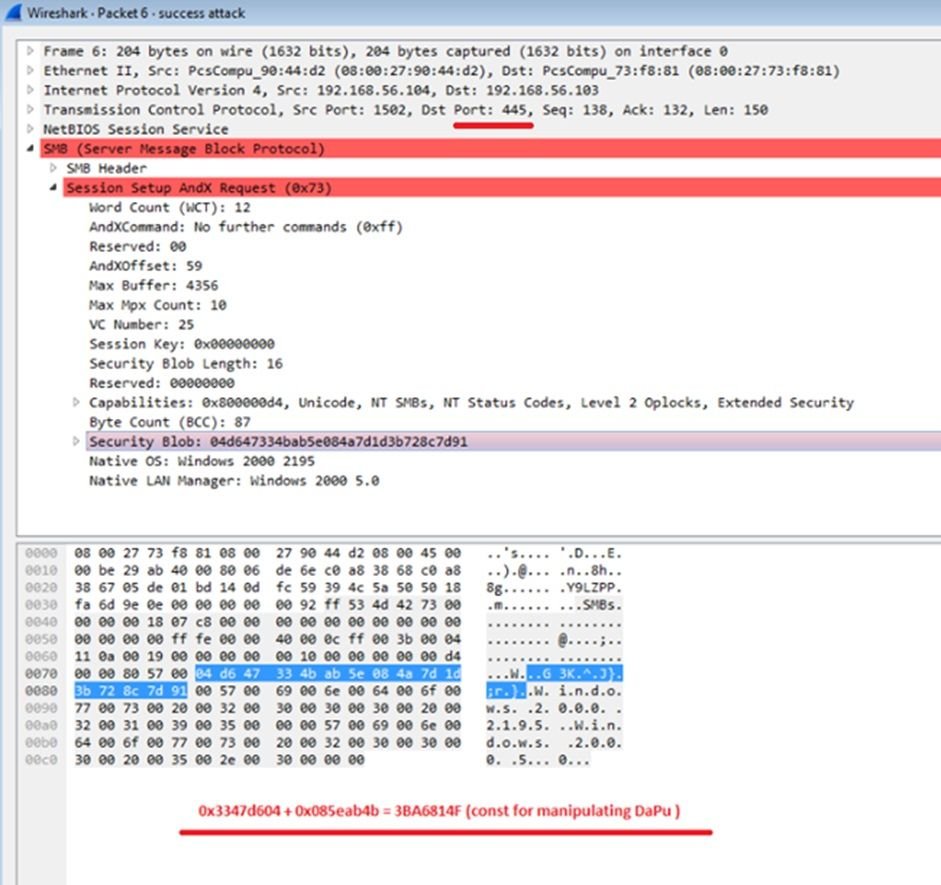
The Dark Pulsar Trojan Virus, Commonly Known As DoublePulsar, Is One Of The Most Dangerous Malware Tools Ever Discovered. It Gained Global Attention After Being Linked To Sophisticated Cyberattacks That Targeted Businesses, Government Agencies, Healthcare Organizations, And Individual Users. Acting As A Backdoor Trojan, Dark Pulsar Allows Cybercriminals To Gain Unauthorized Access To Infected Systems, Deploy Additional Malware, Steal Sensitive Information, And Remotely Control Devices Without The Victim's Knowledge.
Originally Associated With Advanced Cyber Espionage Campaigns, The Malware Became Notorious When It Was Used Alongside The EternalBlue Exploit, Which Played A Significant Role In The Devastating WannaCry Ransomware Outbreak. Since Then, Cybersecurity Experts Have Continued To Monitor Variants And Similar Threats That Leverage The Same Techniques.
Dark Pulsar Functions As A backdoor Malware That Secretly Installs Itself On A Target System. Once Active, It Creates A Hidden Communication Channel Between The Infected Device And The Attacker's Command-and-control (C2) Server.
The Trojan Typically Follows These Steps:
Exploits Vulnerabilities In Outdated Operating Systems Or Network Protocols.
Installs A Hidden Backdoor On The Compromised Device.
Establishes Remote Access For Attackers.
Downloads Additional Malicious Payloads Such As Ransomware, Spyware, Or Cryptocurrency Miners.
Maintains Persistence To Survive System Reboots And Security Scans.
Because It Operates Silently In The Background, Many Users Remain Unaware That Their Devices Have Been Compromised Until Significant Damage Has Occurred.
Cybercriminals Use Several Techniques To Distribute The Dark Pulsar Trojan Virus. Some Of The Most Common Infection Vectors Include:
1. Unpatched Software Vulnerabilities
Outdated Operating Systems And Applications Often Contain Security Flaws That Attackers Can Exploit. Systems Lacking Critical Updates Are Especially Vulnerable.
2. Phishing Emails
Malicious Emails Containing Infected Attachments Or Fraudulent Links Remain A Popular Method For Delivering Trojan Malware. Users Who Click On These Links May Unknowingly Install The Threat.
3. Malicious Downloads
Downloading Software, Cracks, Key Generators, Or Files From Untrusted Websites Can Expose Devices To Trojan Infections.
4. Network-Based Attacks
Attackers Can Scan Networks For Vulnerable Devices And Remotely Exploit Weaknesses To Deploy The Malware Without Requiring User Interaction.
Detecting A Trojan Infection Can Be Challenging Because These Threats Are Designed To Remain Hidden.
However, Some Indicators May Suggest A Compromise:
Unusually Slow System Performance
Unexpected Network Activity
Unknown Processes Running In The Background
Disabled Antivirus Or Security Software
Frequent System Crashes
Unauthorized Access Attempts
Increased CPU Or Memory Usage
Organizations May Also Notice Suspicious Outbound Traffic Connecting To Unfamiliar Servers.
The Dark Pulsar Trojan Poses Significant Cybersecurity Risks For Both Individuals And Businesses.
Data Theft
Attackers Can Steal Login Credentials, Financial Information, Intellectual Property, And Confidential Business Data.
Ransomware Deployment
One Of The Most Dangerous Capabilities Of The Trojan Is Its Ability To Download And Execute Ransomware That Encrypts Files And Demands Payment.
Remote System Control
Cybercriminals Can Remotely Manage Infected Systems, Execute Commands, Install Software, And Monitor User Activities.
Network Propagation
In Enterprise Environments, The Malware May Spread Across Connected Devices, Increasing The Scale Of An Attack And Causing Widespread Disruption.
Financial Losses
Data Breaches, Operational Downtime, And Recovery Efforts Can Result In Substantial Financial Damage For Organizations.
If You Suspect An Infection, Immediate Action Is Essential.
Disconnect From The Network
Isolate The Affected Device From The Internet And Local Network To Prevent Further Communication With Attackers.
Run A Comprehensive Security Scan
Use Reputable Antivirus And Anti-malware Solutions To Perform A Full System Scan And Identify Malicious Files.
Install Security Updates
Apply All Available Operating System And Software Patches To Close Known Vulnerabilities.
Remove Suspicious Programs
Review Installed Applications And Browser Extensions For Unknown Or Unauthorized Software.
Restore From Backup
If The Infection Has Caused Extensive Damage, Restoring Data From A Clean Backup May Be Necessary.
Seek Professional Assistance
Businesses Experiencing A Compromise Should Consult Cybersecurity Professionals To Conduct A Thorough Investigation And Remediation Process.
Preventing A Dark Pulsar Trojan Infection Requires A Proactive Cybersecurity Strategy.
Keep Systems Updated
Regularly Install Security Patches And Updates For Operating Systems, Browsers, And Applications.
Use Reliable Endpoint Protection
Deploy Advanced Antivirus And Endpoint Detection Solutions Capable Of Identifying Sophisticated Threats.
Educate Users
Cybersecurity Awareness Training Helps Employees And Individuals Recognize Phishing Attempts And Malicious Downloads.
Enable Firewalls
Firewalls Provide An Additional Layer Of Defense By Monitoring And Filtering Network Traffic.
Implement Network Segmentation
Organizations Can Reduce The Impact Of An Attack By Separating Critical Systems From The Rest Of The Network.
Regular Backups
Maintain Secure, Offline Backups Of Important Files To Ensure Rapid Recovery In Case Of Malware Incidents.
The Dark Pulsar Trojan Virus Remains A Significant Cybersecurity Threat Due To Its Stealthy Nature, Remote Access Capabilities, And Ability To Deploy Additional Malware. Whether Targeting Individual Users Or Large Organizations, This Trojan Can Lead To Data Theft, Ransomware Infections, And Severe Operational Disruptions.
Staying Protected Requires A Combination Of Updated Software, Strong Security Tools, User Awareness, And Proactive Monitoring. By Understanding How The Dark Pulsar Trojan Operates And Implementing Robust Cybersecurity Practices, Individuals And Businesses Can Significantly Reduce Their Risk Of Falling Victim To This Dangerous Malware.
Step 1: Boot Into Safe Mode
Restart Your PC And Press F8 (or Shift + F8 For Some Systems) Before Windows Loads.
Choose Safe Mode With Networking.
Safe Mode Prevents Most Malware From Loading.
Press Win + R, Type appwiz.cpl, And Press Enter.
Sort By Install Date And Uninstall Unknown Or Recently Added Programs.
Use A Trusted Anti-malware Tool:
Malwarebytes – https://www.malwarebytes.com
Screenshot Of Malwarebytes - Visit Links
Microsoft Defender – Built Into Windows 10/11
HitmanPro, ESET Online Scanner, Or Kaspersky Virus Removal Tool
ZoneAlarm Pro Antivirus + Firewall NextGen
VIPRE Antivirus - US And Others Countries, | India
Run A Full Scan And Delete/quarantine Detected Threats.
Win + R, Type temp → Delete All Files.Press Win + R, Type %temp% → Delete All Files.
Use Disk Cleanup: cleanmgr In The Run Dialog.
Go To: C:\Windows\System32\drivers\etc
Open hosts File With Notepad.
Replace With Default Content:
Press Ctrl + Shift + Esc → Open Task Manager
Go To Startup Tab
Disable Any Suspicious Entries.
Open Command Prompt As Administrator.
Run These Commands:
netsh Winsock Reset

netsh Int Ip Reset

ipconfig /flushdns
Unwanted Homepage Or Search Engine
Pop-ups Or Redirects
Unknown Extensions Installed
For Chrome:
Go To: chrome://extensions/
Remove Anything Unfamiliar
For Firefox:
Go To: about:addons → Extensions
Remove Suspicious Add-ons
For Edge:
Go To: edge://extensions/
Uninstall Unknown Add-ons
Chrome:
Go To chrome://settings/reset → "Restore Settings To Their Original Defaults"
Firefox:
Go To about:support → "Refresh Firefox"
Edge:
Go To edge://settings/resetProfileSettings → "Reset Settings"
All Browsers:
Use Ctrl + Shift + Del → Select All Time
Clear Cookies, Cached Files, And Site Data
Make Sure They Are Not Hijacked.
Chrome: chrome://settings/search
Firefox: about:preferences#search
Edge: edge://settings/search
Chrome: chrome://settings/cleanup
Use Malwarebytes Browser Guard For Real-time Browser Protection.
Always Download Software From Trusted Sources.
Keep Windows, Browsers, And Antivirus Updated.
Avoid Clicking Suspicious Links Or Ads.
Use ad Blockers And reputable Antivirus Software.
Backup Your Files Regularly.
To Remove Malware From Your Windows PC, Start By Booting Into Safe Mode, Uninstalling Suspicious Programs, And Scanning With Trusted Anti-malware Tools Like Malwarebytes. Clear Temporary Files, Reset Your Network Settings, And Check Startup Apps For Anything Unusual.
For web Browsers, Remove Unwanted Extensions, Reset Browser Settings, Clear Cache And Cookies, And Ensure Your Homepage And Search Engine Haven’t Been Hijacked. Use Cleanup Tools Like Chrome Cleanup Or Browser Guard For Added Protection.
?? Prevention Tips: Keep Software Updated, Avoid Suspicious Downloads, And Use Antivirus Protection Plus Browser Ad Blockers. Regular Backups Are Essential.
Why It Matters: Not All VPNs Offer Malware Protection.
What To Look For: Providers With built-in Malware/ad/tracker Blockers (e.g., NordVPN’s Threat Protection, ProtonVPN’s NetShield).
Purpose: Prevents Data Leaks If Your VPN Connection Drops.
Benefit: Ensures Your Real IP And Browsing Activity Aren’t Exposed To Malware-distributing Websites.
Why It Matters: DNS Leaks Can Expose Your Online Activity To Attackers.
Solution: Enable DNS Leak Protection In Your VPN Settings Or Use A Secure DNS Like Cloudflare (1.1.1.1).
Risk: Free VPNs Often Contain Malware, Sell User Data, Or Lack Security Features.
Better Option: Use Reputable Paid VPNs That Offer security Audits And Transparent Privacy Policies.
Some VPNs Block Known Phishing And Malicious Sites.
Example: Surfshark’s CleanWeb, CyberGhost’s Content Blocker.
Reason: Security Patches Fix Known Vulnerabilities.
Tip: Enable Auto-updates Or Check For Updates Weekly.
Scope: Malware Can Enter Through Phones, Tablets, Or IoT Devices.
Solution: Install VPN Apps On Every Internet-connected Device.
Fact: VPNs Do Not Remove Or Detect Malware On Your System.
Complement It With:
Antivirus Software
Firewall
Browser Extensions For Script Blocking
VPN Encrypts Traffic But Can’t Stop Malware From Executing If You Download Infected Files.
Split Tunneling Allows Certain Apps/sites To Bypass VPN.
Tip: Never Exclude Browsers, Email Clients, Or Download Managers From VPN Tunneling.
A VPN (Virtual Private Network) Enhances Your Online Privacy By Encrypting Your Internet Traffic And Masking Your IP Address. It Protects Your Data On Public Wi-Fi, Hides Browsing Activity From Hackers And ISPs, And Helps Bypass Geo-restrictions. VPNs Also Add A Layer Of Defense Against Malware By Blocking Malicious Websites And Trackers When Using Advanced Features. However, A VPN Does Not Remove Existing Malware Or Act As Antivirus Software. For Full Protection, Combine VPN Use With Antivirus Tools, Regular Software Updates, And Cautious Browsing Habits. Always Choose A Reputable VPN Provider With Strong Security And Privacy Policies.
Dark Pulsar Malware, Dark Pulsar Trojan Virus, Delete Dark Pulsar Trojan Virus, Uninstall Dark Pulsar Trojan Virus, Remove Dark Pulsar Trojan Virus, D