computer security info  Blog's Page

Back To Blog

An In-Depth Analysis Of The Homeinlook.com Browser Hijacker


  Category:  BROWSER HIJACKER | 2nd October 2026 | Author:  CSI'S TEAM

computer security info

Introduction

Modern Internet Threats Have Evolved Beyond Crude Viruses Designed Solely To Crash Operating Systems Or Delete Critical Local Data. Today, Cybercriminals Favor Quieter, More Persistent Monetized Vectors That Generate Continuous Passive Income While Maintaining The Illusion Of A Functioning Computer. Among The Most Widespread Of These Digital Nuisances Is The browser Hijacker—a Category Of Potentially Unwanted Programs (PUPs) That Covertly Seize Control Of Web Browsers.

Homeinlook.com (frequently Operating Alongside Or Interchangeable With Related Domains Like searchinlook.com) Is A Prime Example Of This Threat Class. Disguised As A Helpful Alternative Search Provider, Dashboard, Or Tab Portal, Homeinlook.com Forces Its Way Into Google Chrome, Microsoft Edge, Mozilla Firefox, And Apple Safari. It Rewrites Core Browser Preferences, Locks Search Inputs, And Funnels Web Traffic Through Complex, Multi-hop Advertising Networks.

This Comprehensive Technical Analysis Explores How Homeinlook.com Infiltrates Modern Operating Systems, Analyzes Its Behavioral Footprint, Highlights The Severe Privacy Risks It Introduces, And Provides A Step-by-step Master Guide For Completely Purging The Infection.

1. Anatomy Of A Browser Hijacker: What Is Homeinlook.com?

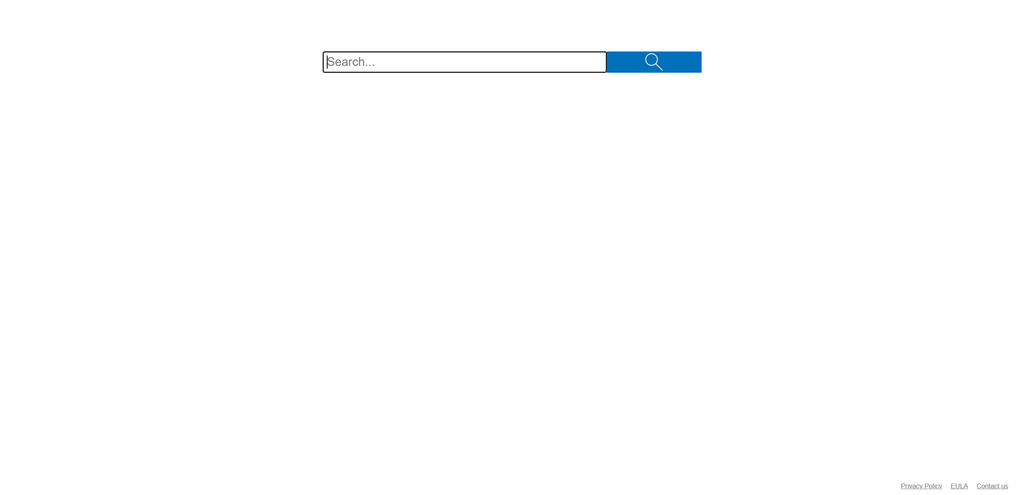
At First Glance, Landing Pages Like Homeinlook.com Often Feature Clean, Minimalist User Interfaces, Sometimes Adopting Design Motifs Related To Themes, Organization, Or Quick-launch Tiles. However, This Aesthetic Is Entirely A Veneer Designed To Mask Its True Nature.

Homeinlook.com Is not An Independent Search Engine. It Possesses No Proprietary Web-crawling Index, Database, Or Ranking Algorithm. Instead, Whenever A User Types A Query Into Its Search Bar Or Submits An Address Bar Query That Has Been Hijacked, The Software Intercepts The Request. It Routes The Text Through Intermediate Tracking Domains (such As searchinlook.com) Before Ultimately Dispatching The Query To A Mainstream Provider, Typically Bing.

The Business Model: Traffic Monetization

Why Do Threat Actors Invest Time And Resources Into Deploying Domain-redirect Portals Like Homeinlook.com? The Answer Is Purely Financial:

  • Pay-Per-Click (PPC) And Ad Injection: Every Intermediate Redirect Hop Appends Unique Tracking Parameters, Affiliate Tokens, And Advertising Codes To The URL String.
  • Artificial Traffic Inflation: By Forcing Thousands Of Infected Browser Clients To Load Their Landing Page Upon Startup Or New Tab Generation, The Creators Artificially Inflate Metrics To Secure Advertising Revenue.
  • Data Brokering: The Portal Acts As A Data Collection Funnel, Tracking User Habits To Sell Aggregated Telemetry Profiles To Third-party Marketing Networks.

2. Infection Vectors: How Homeinlook.com Infiltrates Devices

Browser Hijackers Rarely Arrive Via Targeted Network Exploits Or Zero-day Vulnerabilities. Instead, They Rely On User Complacency, Social Engineering, And Deceptive Software Packaging Techniques. The Most Common Vectors Include:

A. Software Bundling (The Pre-Checked Trap)

The Overwhelming Majority Of Homeinlook.com Infections Occur When Users Download Free Applications From Third-party Download Platforms, Freeware Repositories, Or Peer-to-peer (P2P) Networks.
  • The Mechanism: A User Downloads What Appears To Be A Helpful Utility—such As A PDF Converter, Video Downloader, Or Archive Manager. The Custom Installation Wrapper Provided By The Download Portal Contains Hidden Payloads.
  • The Catch: The Setup Wizard Employs "Express" Or "Recommended" Installation Presets. Clicking Through These Prompts Rapidly Grants Explicit (though Uninformed) Permission To Install Sponsored Browser Extensions, Alter Windows Registry Configurations, And Substitute Default Search Providers.

B. Drive-By Downloads Via Malicious Ad Networks

Users Browsing High-risk Websites (such As Free Streaming Hubs, Cracked Software Forums, Or Unverified Script Repositories) Frequently Encounter Malicious Ad Banners And Aggressive Pop-ups.
  • Clicking Anywhere On These Deceptive Alerts—or Mistakenly Clicking "Allow" On Browser Push-notification Permission Requests—can Trigger Background Script Injections That Modify Local Browser Shortcuts Or Deploy Extension Payloads.

C. Rogue Browser Extensions

Cybercriminals Frequently Bypass Operating System Defenses By Deploying Malicious Or Deceptive Extensions Directly Into Browser Extension Stores, Or Sideloading Them Via Enterprise Policies. Once Installed, These Extensions Possess The Permissions Necessary To Override User Settings, Block Access To Settings Panels, And Rewrite Outgoing Web Traffic.

3. Behavioral Symptoms And Diagnostic Indicators

An Infected Machine Typically Exhibits Distinct, Frustrating Behavioral Patterns. Recognizing These Early Symptoms Helps Users Isolate The Problem Before Deeper Data Harvesting Occurs:
  • Hijacked Homepage And New Tab Page: Opening The Browser Or Opening A New Tab Immediately Loads Homeinlook.com Instead Of The User’s Preferred Configuration.
  • Forced Search Redirection: Entering Keywords Into The Browser’s Address Bar Bypasses The Designated Default Search Engine, Routing The Query Through Homeinlook.com’s Infrastructure.
  • Locked Or Grayed-Out Settings: Advanced Iterations Of The Hijacker Utilize Enterprise Policies Or Windows Registry Overrides, Preventing Users From Manually Altering Their Homepage Or Search Engine Through Standard Graphical Settings Menus.
  • Unwanted Desktop Notifications: The Domain Frequently Abuses Browser Notification Permissions, Spamming The Operating System's Notification Tray With Clickbait Alerts, Fake System Updates, And Phishing Links.
  • Degraded System Performance: Because The Browser Runs Continuous Background Scripts To Monitor Traffic And Inject Ads, Affected Devices Often Experience Browser Sluggishness, Memory Leaks, And Occasional Application Crashes.

4. Privacy And Security Risks

Dismissing Homeinlook.com As A Mere Visual Annoyance Is A Dangerous Mistake. Browser Hijackers Introduce Substantial Security Vulnerabilities:

Data Harvesting And Telemetry

Homeinlook.com Actively Logs User Behavior. It Records Search Terms, Clicked Links, IP Addresses, Geographic Location Approximations, And Browser Environment Data. This Telemetry Is Packaged And Monetized, Exposing Users To Targeted Spam And Invasive Profiling.

Multi-Hop Redirection Vulnerabilities

Every Forced Redirect Chain Introduces Links Managed By Unverified Third Parties. These Intermediary Servers Can Easily Redirect Traffic Toward Exploit Kits, Tech Support Scam Portals, Phishing Pages, Or Drive-by Malware Download Vectors, Placing The Entire Host Machine At Risk.

5. Comprehensive Step-by-Step Removal Guide

Because Homeinlook.com Embeds Itself Across Multiple Layers Of The Operating System—including Browser Profiles, Shortcut Paths, Registry Policies, And Scheduled Tasks—standard Uninstallation Is Rarely Enough. Follow This Exhaustive, Multi-phase Removal Procedure To Clean An Infected Device.

Phase 1: Terminate Rogue Programs Via Control Panel

Begin By Removing Any Suspicious Or Unfamiliar Applications Installed Around The Time The Hijacker Appeared.
  1. Press Win + R On Your Keyboard To Open The Run Dialog Box.
  2. Type appwiz.cpl And Press Enter To Open The Classic Programs And Features Window.
  3. Sort The Installed Applications List By Install Date.
  4. Scrutinize The List For Recently Installed Utilities, Search Assistants, Or Programs With Generic Names Published By Unknown Developers.
  5. Right-click The Suspicious Entry And Select Uninstall. Complete The Removal Wizard.

Phase 2: Clean And Reset Web Browsers

Next, Eliminate Malicious Extensions, Clear Corrupted Preferences, And Restore Default Browser Settings.

Google Chrome:

  • Remove Extensions: Type chrome://extensions In The Address Bar And Press Enter. Locate Any Unfamiliar Or Recently Added Extensions And Click Remove.
  • Reset Settings: Navigate To chrome://settings/reset, Click Restore Settings To Their Original Defaults, And Confirm By Clicking Reset Settings. This Safely Clears Homepage Overrides And Disables Rogue Extensions While Preserving Saved Passwords And Bookmarks.
  • Clear Notifications: Go To chrome://settings/content/notifications And Remove Homeinlook.com From The "Allowed To Send Notifications" List.

Microsoft Edge:

  • Remove Extensions: Type edge://extensions In The Address Bar And Remove Any Unverified Add-ons.
  • Reset Settings: Go To edge://settings/reset And Select Restore Settings To Their Default Values.
  • Clear Permissions: Check edge://settings/content/notifications To Revoke Permission For Suspicious Domains.

Mozilla Firefox:

  • Remove Add-ons: Type about:addons In The Address Bar, Select Extensions, And Remove Unfamiliar Entries.
  • Refresh Firefox: Navigate To about:support And Click The Refresh Firefox Button. This Resets Settings To Factory Defaults While Safeguarding Personal Bookmarks And Saved Credentials.

Phase 3: Repair Browser Shortcuts

Hijackers Frequently Append Malicious URLs To Browser Shortcut Properties On The Desktop, Taskbar, Or Start Menu To Ensure The Redirect Triggers On Every Launch.
  1. Locate Your Browser Shortcut Icon (e.g., Google Chrome).
  2. Right-click The Shortcut And Select Properties.
  3. Navigate To The Shortcut Tab And Examine The Target Field.
  4. Verify That The Path Ends Cleanly With The Core Application Executable (e.g., "C:\Program Files\Google\Chrome\Application\chrome.exe").
  5. If You Find Any Appended Web Addresses, Arguments, Or Text Strings Following chrome.exe, Delete Them Immediately And Click Apply.

Phase 4: Clear Managed Browser Policies And Registry Keys

If Your Browser Settings Remain Locked Or Display Messages Indicating They Are “Managed By Your Organization,” The Hijacker Has Injected Registry Policies.
  1. Press Win + R, Type regedit, And Press Enter To Open The Registry Editor. (Exercise Caution; Modify Only Target Keys).
  2. Navigate To The Following Policy Registry Hives:

    • HKEY_LOCAL_MACHINE\SOFTWARE\Policies\Google\Chrome
    • HKEY_LOCAL_MACHINE\SOFTWARE\Policies\Microsoft\Edge
    • HKEY_CURRENT_USER\Software\Policies\Google\Chrome
  3. Delete Any Subkeys, Strings, Or Policies Pointing Toward Homeinlook.com Or Unexpected Parameters.
  4. Open The Windows Task Scheduler (Win + R, Type taskschd.msc), Inspect The Task Scheduler Library, And Delete Any Unfamiliar Automated Tasks Configured To Execute Scripts Out Of User AppData Or Temp Directories.

Phase 5: Execute An Anti-Malware Scan

Manual Cleaning Cannot Always Catch Deeply Embedded Rootkits Or Residual Script Components.
  1. Download A Reputable, Industry-standard Security Solution (such As Malwarebytes Or Combo Cleaner).
  2. Update The Virus Definitions Database To The Most Recent Version.
  3. Perform A Comprehensive Full System Scan Or Threat Scan.
  4. Quarantine And Eliminate All Identified Malicious Files, Adware Components, And Browser Hijacking Scripts.

6. Proactive Prevention Strategies

To Protect Your System From Future Infections By Homeinlook.com Or Similar Browser Hijackers, Adopt These Cybersecurity Habits:
  • Inspect Software Installers: Always Select "Custom" Or "Advanced" Installation Modes When Setting Up Freeware. Uncheck Pre-selected Boxes Offering To Install Companion Apps, Custom Toolbars, Or Search Modifications.
  • Download Exclusively From Official Sources: Obtain Applications And System Updates Directly From Verified Vendor Websites Rather Than Third-party Download Mirrors Or Torrent Portals.
  • Keep Security Software Active: Maintain A Reliable Anti-malware Suite Featuring Real-time Web Protection To Block Malicious Domains And Fraudulent Redirect Scripts Automatically.
  • Exercise Browser Hygiene: Periodically Audit Installed Browser Extensions And Site Permissions, Instantly Removing Unfamiliar Or Unused Add-ons.
Are You Currently Experiencing Persistent Redirect Loops With Homeinlook.com On A Specific Browser Or Operating System, And Would You Like Assistance With Advanced Troubleshooting?

Malware Removal Guide For PC

Malware Removal Guide For Web Browsers

Prevent Future Malware

Summary - Malware Removal Guide

Guide For VPN Uses

Malware Removal Guide – PC And Web Browser

PART 1: Remove Malware From Your PC (Windows)

Step 1: Boot Into Safe Mode

  • Restart Your PC And Press F8 (or Shift + F8 For Some Systems) Before Windows Loads.

  • Choose Safe Mode With Networking.

Safe Mode Prevents Most Malware From Loading.

Step 2: Uninstall Suspicious Programs

  1. Press Win + R, Type appwiz.cpl, And Press Enter.

  2. Sort By Install Date And Uninstall Unknown Or Recently Added Programs.

Step 3: Run A Malware Scan

Use A Trusted Anti-malware Tool:

Malwarebytes – https://www.malwarebytes.com

Screenshot Of Malwarebytes - Visit Links

Microsoft Defender – Built Into Windows 10/11

Bitdefender GravityZone Business Security

Emsisoft Anti-Malware Home

HitmanPro, ESET Online Scanner, Or Kaspersky Virus Removal Tool

ZoneAlarm Pro Antivirus + Firewall NextGen

VIPRE Antivirus - US And Others Countries, | India

VIPRE Antivirus - Mac

F-Secure Total - Global

Run A Full Scan And Delete/quarantine Detected Threats.

Step 4: Delete Temporary Files

  1. Press Win + R, Type temp → Delete All Files.
  2. Press Win + R, Type %temp% → Delete All Files.

  3. Use Disk Cleanup: cleanmgr In The Run Dialog.

Step 5: Reset Hosts File

  1. Go To: C:\Windows\System32\drivers\etc

  2. Open hosts File With Notepad.

  3. Replace With Default Content:

Step 6: Check Startup Programs

  1. Press Ctrl + Shift + Esc → Open Task Manager

  2. Go To Startup Tab

  3. Disable Any Suspicious Entries.

Step 7: Reset Network Settings

  1. Open Command Prompt As Administrator.

  2. Run These Commands:

netsh Winsock Reset

netsh Int Ip Reset

ipconfig /flushdns

PART 2: Remove Malware From Web Browsers

? Common Signs Of Malware In Browser:

  • Unwanted Homepage Or Search Engine

  • Pop-ups Or Redirects

  • Unknown Extensions Installed

Step 1: Remove Suspicious Extensions

For Chrome:

  • Go To: chrome://extensions/

  • Remove Anything Unfamiliar

For Firefox:

  • Go To: about:addons → Extensions

  • Remove Suspicious Add-ons

For Edge:

  • Go To: edge://extensions/

  • Uninstall Unknown Add-ons

Step 2: Reset Browser Settings

Chrome:

  • Go To chrome://settings/reset → "Restore Settings To Their Original Defaults"

Firefox:

  • Go To about:support → "Refresh Firefox"

Edge:

  • Go To edge://settings/resetProfileSettings → "Reset Settings"

Step 3: Clear Cache And Cookies

All Browsers:

  • Use Ctrl + Shift + Del → Select All Time

  • Clear Cookies, Cached Files, And Site Data

Step 4: Check Search Engine & Homepage Settings

Make Sure They Are Not Hijacked.

  • Chrome: chrome://settings/search

  • Firefox: about:preferences#search

  • Edge: edge://settings/search

Step 5: Use Browser Cleanup Tools (Optional)

  • Chrome: chrome://settings/cleanup

  • Use Malwarebytes Browser Guard For Real-time Browser Protection.

FINAL TIPS: Prevent Future Malware

  • Always Download Software From Trusted Sources.

  • Keep Windows, Browsers, And Antivirus Updated.

  • Avoid Clicking Suspicious Links Or Ads.

  • Use ad Blockers And reputable Antivirus Software.

  • Backup Your Files Regularly.

Short Summary: Malware Removal Guide (PC & Web Browser)

To Remove Malware From Your Windows PC, Start By Booting Into Safe Mode, Uninstalling Suspicious Programs, And Scanning With Trusted Anti-malware Tools Like Malwarebytes. Clear Temporary Files, Reset Your Network Settings, And Check Startup Apps For Anything Unusual.

For web Browsers, Remove Unwanted Extensions, Reset Browser Settings, Clear Cache And Cookies, And Ensure Your Homepage And Search Engine Haven’t Been Hijacked. Use Cleanup Tools Like Chrome Cleanup Or Browser Guard For Added Protection.

?? Prevention Tips: Keep Software Updated, Avoid Suspicious Downloads, And Use Antivirus Protection Plus Browser Ad Blockers. Regular Backups Are Essential.

VPN - How To Use IT

1. Choose A Trusted VPN Provider

  • Why It Matters: Not All VPNs Offer Malware Protection.

  • What To Look For: Providers With built-in Malware/ad/tracker Blockers (e.g., NordVPN’s Threat Protection, ProtonVPN’s NetShield).

  • Nord VPN
  • Hide.me VPN

2. Enable Kill Switch

  • Purpose: Prevents Data Leaks If Your VPN Connection Drops.

  • Benefit: Ensures Your Real IP And Browsing Activity Aren’t Exposed To Malware-distributing Websites.

3. Use VPN With DNS Leak Protection

  • Why It Matters: DNS Leaks Can Expose Your Online Activity To Attackers.

  • Solution: Enable DNS Leak Protection In Your VPN Settings Or Use A Secure DNS Like Cloudflare (1.1.1.1).

4. Avoid Free VPNs

  • Risk: Free VPNs Often Contain Malware, Sell User Data, Or Lack Security Features.

  • Better Option: Use Reputable Paid VPNs That Offer security Audits And Transparent Privacy Policies.

5. Use VPN With Anti-Phishing Tools

  • Some VPNs Block Known Phishing And Malicious Sites.

  • Example: Surfshark’s CleanWeb, CyberGhost’s Content Blocker.

6. Keep Your VPN App Updated

  • Reason: Security Patches Fix Known Vulnerabilities.

  • Tip: Enable Auto-updates Or Check For Updates Weekly.

. Use VPN On All Devices

  • Scope: Malware Can Enter Through Phones, Tablets, Or IoT Devices.

  • Solution: Install VPN Apps On Every Internet-connected Device.

8. Don’t Rely On VPN Alone

  • Fact: VPNs Do Not Remove Or Detect Malware On Your System.

  • Complement It With:

    • Antivirus Software

    • Firewall

    • Browser Extensions For Script Blocking

9. Avoid Clicking Unknown Links While VPN Is On

  • VPN Encrypts Traffic But Can’t Stop Malware From Executing If You Download Infected Files.

10. Use VPN With Split Tunneling Cautiously

  • Split Tunneling Allows Certain Apps/sites To Bypass VPN.

  • Tip: Never Exclude Browsers, Email Clients, Or Download Managers From VPN Tunneling.

Short Note - VPN Uses

A VPN (Virtual Private Network) Enhances Your Online Privacy By Encrypting Your Internet Traffic And Masking Your IP Address. It Protects Your Data On Public Wi-Fi, Hides Browsing Activity From Hackers And ISPs, And Helps Bypass Geo-restrictions. VPNs Also Add A Layer Of Defense Against Malware By Blocking Malicious Websites And Trackers When Using Advanced Features. However, A VPN Does Not Remove Existing Malware Or Act As Antivirus Software. For Full Protection, Combine VPN Use With Antivirus Tools, Regular Software Updates, And Cautious Browsing Habits. Always Choose A Reputable VPN Provider With Strong Security And Privacy Policies.

Homeinlook.com, Remove Homeinlook.com, Get Rid Of Homeinlook.com, Uninstall Homeinlook.com, How To Remove Homeinlook.com, Homeinlook.com Removal, Dele